Around 50 million Americans have an autoimmune disease, which research shows can be a risk factor for hearing loss. If you’re one of them, getting regular hearing checkups is crucial for your well-being.
About Autoimmune Diseases
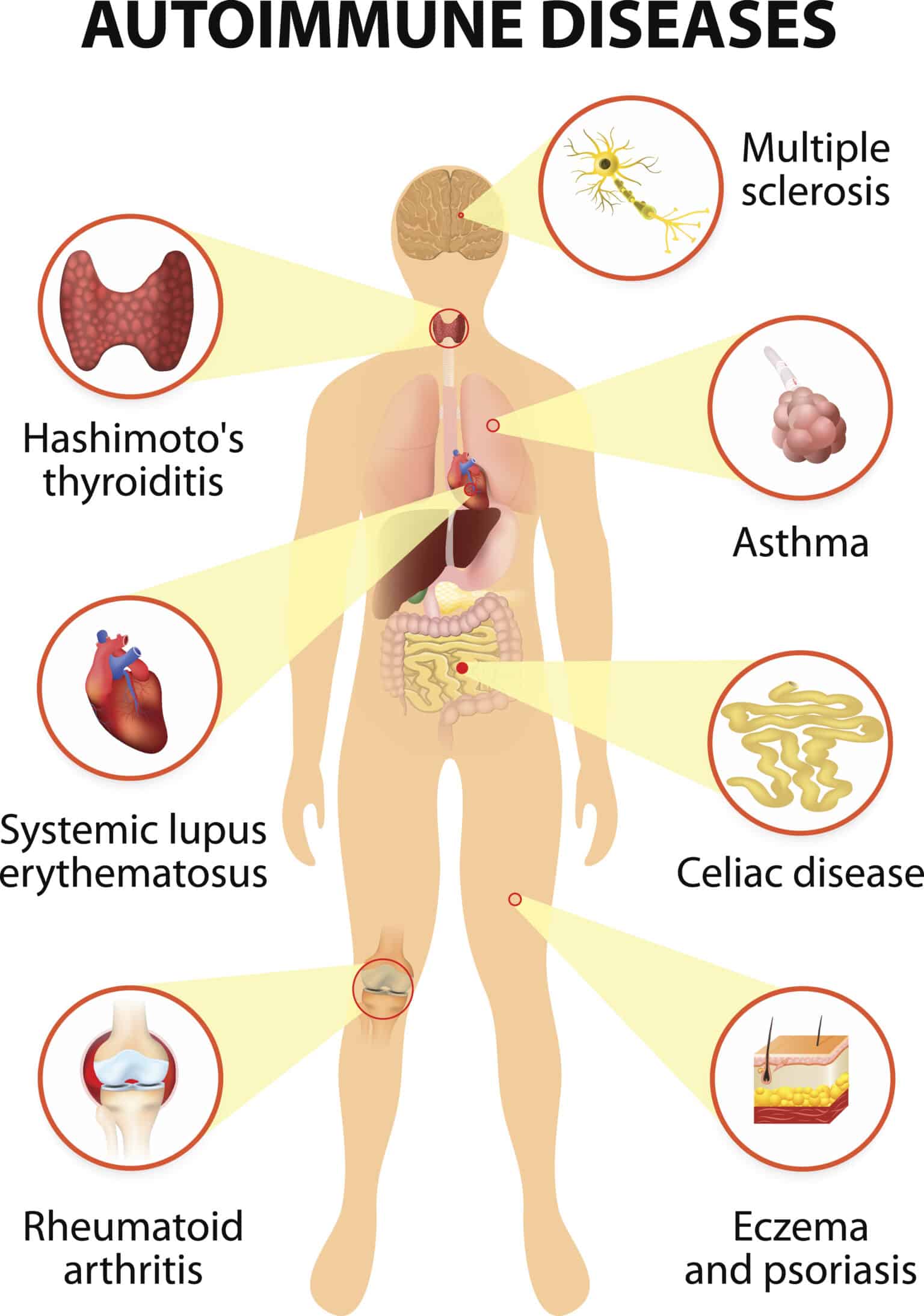
A properly functioning immune system can accurately identify and fight off infections in the body. But in someone with an autoimmune disease, their immune system mistakenly identifies certain body tissues as a threat and attacks them, leading to high levels of inflammation.
Examples of autoimmune diseases include type 1 diabetes, lupus, rheumatoid arthritis, Lyme disease and celiac disease.
How the Two Conditions Are Connected
Hearing loss due to an autoimmune disease is often caused by either inflammation in the ear anatomy or inadequate blood flow to the ear. It may develop slowly or suddenly, affect one or both ears, and impact different sound frequencies.
Treatment options include corticosteroids to reduce the immune attack and blood vessel inflammation in the ear. Treatments that suppress the immune system or boost blood flow to the ear can also be useful. If the hearing loss is permanent, hearing aids should help.
Hearing Loss Risk With Autoimmune Diseases
While not every autoimmune disease (there are over 100 of them) contributes to hearing loss, quite a few do, including:
- Rheumatoid Arthritis: Up to 72% of patients with this condition, which causes pain in the wrists, knees and hands, may develop hearing loss.
- Lupus: This chronic illness can affect the joints, kidneys, blood cells and skin as well as the ears. Around 27% of lupus patients have hearing issues.
- Type 1 Diabetes: Hearing loss is significantly higher in people with type 1 diabetes than in those without diabetes.4
If you’re noticing changes in your hearing, whether you have an autoimmune disease or not, don’t hesitate to come in for a hearing test. You—and your ears—will be glad you did!