-
Cochlear Implants Open Up a World of Sound for Senior Citizens
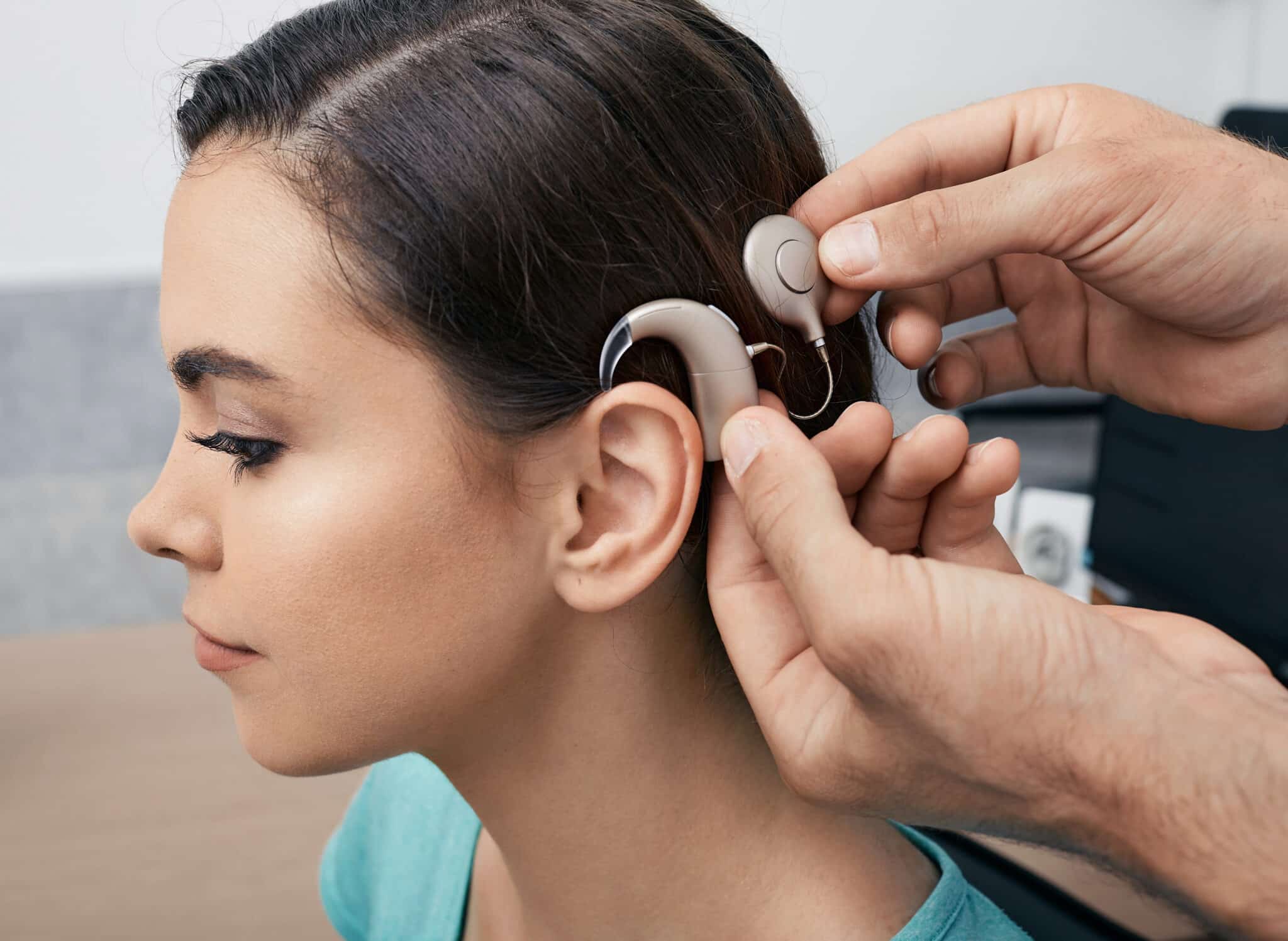
You’re never too old to try something new—and that includes improving your hearing. Thanks to Northwestern University’s cochlear implant program, Kitty Grutzmacher, 84, went from struggling to hear with hearing aids to finding auditory success…
-
Researchers Discover a “Goldilocks Zone” for Hearing in Echoey Spaces

A recent study examining how the brain adapts in echoey places to improve speech understanding found the ideal listening environment is in a “Goldilocks zone”—a space neither echo-filled nor completely echo-free. Study Details Researchers from…
-
New Year, New Hearing Test

Has it been a while since your last hearing test? If so, you may be due for a new one, even if you don’t think you have symptoms of hearing loss. The World Health Organization…
-
Understanding the Occlusion Effect
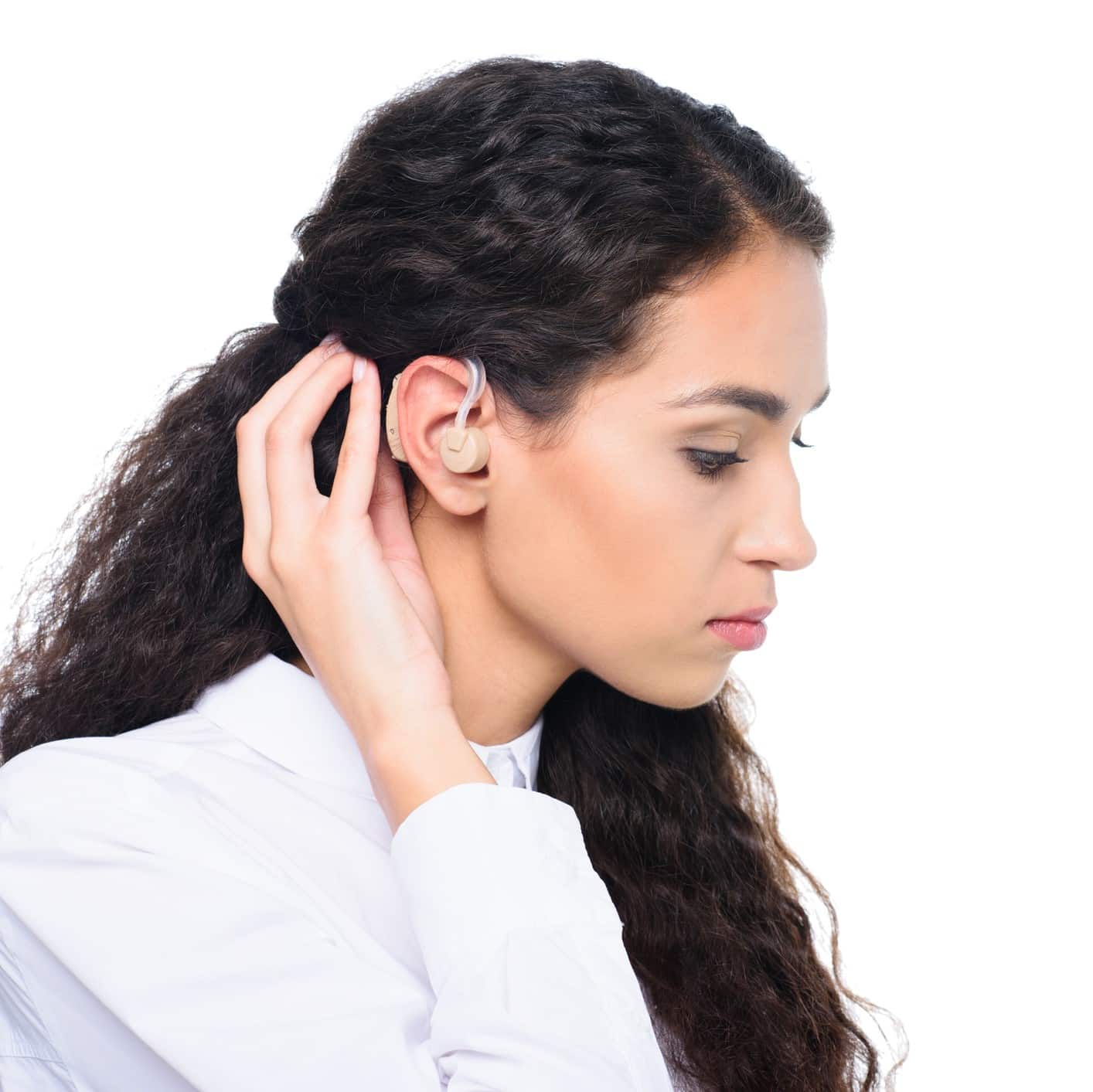
Have you ever had something in your ear—such as earbuds or hearing aids—and then felt like your own voice was booming and echoing in your head when you spoke? That is known as the occlusion…
-
What to Know About Synesthesia

Synesthesia is a neurological phenomenon in which stimulation of one sensory pathway automatically triggers another, unrelated sensory experience. It’s not a hallucination or disorder but a blending in the brain’s sensory regions. People with synesthesia…
-
Types of Hearing Tests

If you’re between the ages of 18 and 65 and you’re exhibiting symptoms of hearing loss, are exposed to loud noises regularly or have a family history of hearing loss, we at recommend scheduling a…
-
What To Know About Ototoxicity

Ototoxicity is a side effect of medications or chemicals that results in damage to the inner ear. This damage can create symptoms like hearing loss, ringing in the ears and balance issues. There are ways…
-
Scheduled a Hearing Test? Here’s What to Ask Your Audiologist
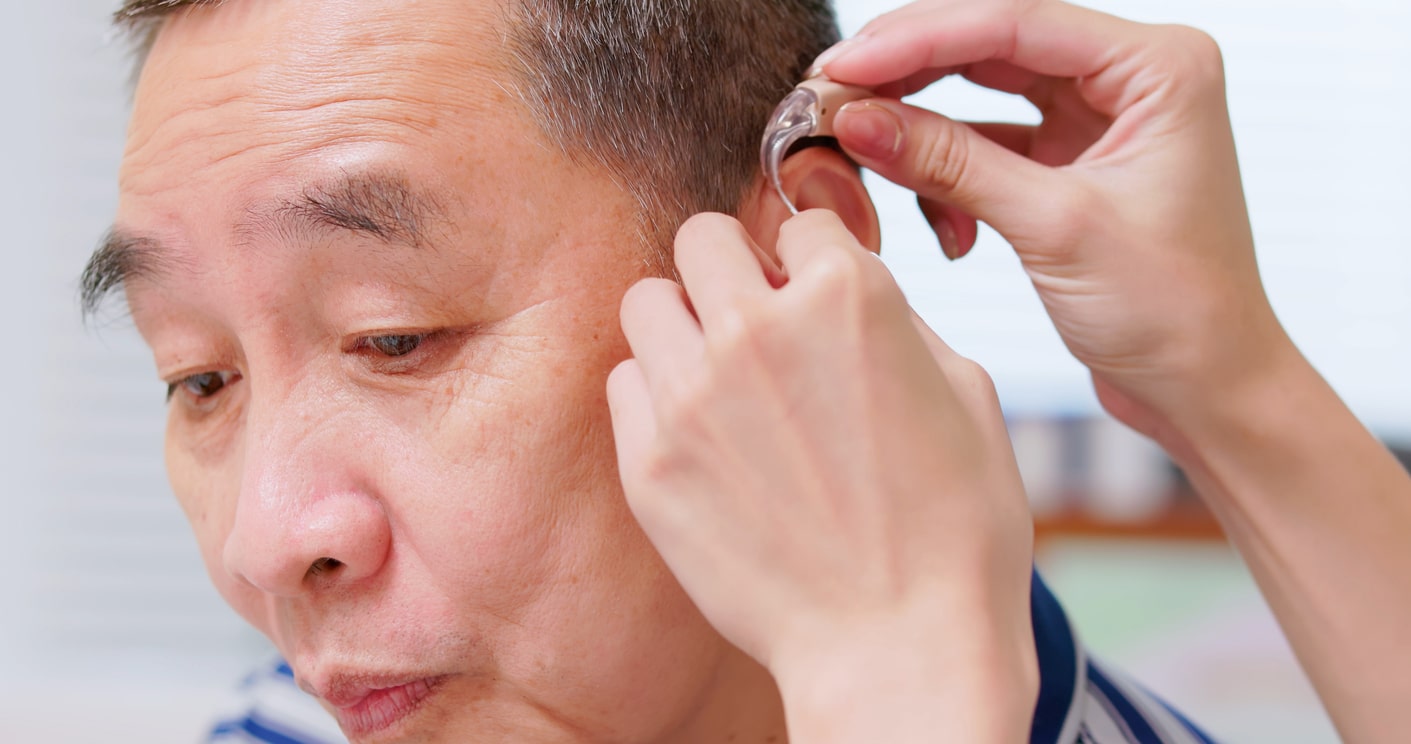
Some of the signs of hearing loss include feeling as though people are constantly mumbling, difficulty talking on the phone, trouble understanding in background noise and turning the TV volume way up. If you’re exhibiting…
-
Tips for Managing Tinnitus
Tinnitus is a ringing, roaring, hissing, whistling, humming, buzzing or other sound in the ears that has no external source. In some cases, it is a mild nuisance, but in others, it is a debilitating…
-
What to Know About Musical Ear Syndrome
Musical Ear Syndrome (MES) is a condition in which people hear music, singing or voices when no external source of sound is present. While it may sound like auditory hallucinations associated with mental health disorders,…