Hearing aids work hard every day, but even the best devices need a little pampering now and then to perform at their peak. That’s where the hearing aid cleaning and service appointment at an audiologist’s office comes in. It helps keep your devices working reliably, catches small issues early and makes sure you continue hearing as clearly as possible. Here’s a closer look at what goes on during this important visit.
A Quick Check-In
Your appointment usually begins with a brief check-in with your provider. They will ask how your hearing aids have been performing, whether sound seems muffled, whether batteries are draining quickly or whether anything feels uncomfortable.
This conversation matters because small changes in performance that you notice are often indicative of bigger issues, such as wax buildup or worn parts. While some hearing aid users wait until their devices stop working entirely before bringing them to their provider, a regular cleaning and service appointment every six months can prevent problems before they start.
A Thorough Professional Cleaning
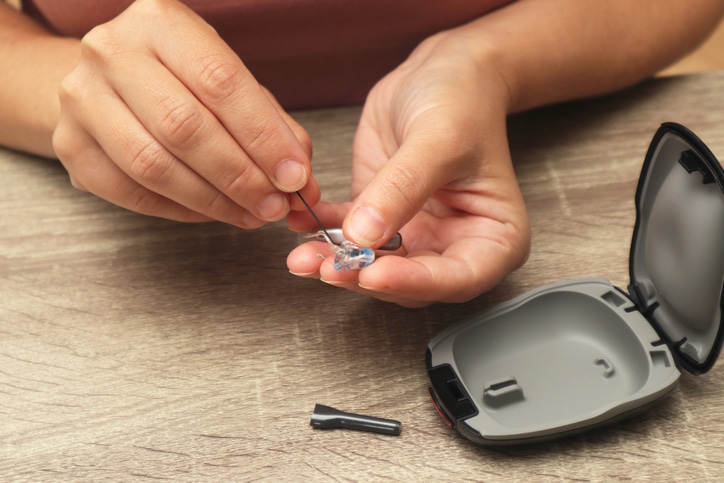
Even with daily at-home care, hearing aids collect earwax, moisture and tiny debris that can sneak into delicate openings and damage devices. During the professional cleaning step, your provider removes buildup from microphones, receivers and vents—places that are difficult to reach on your own at home.
This deep clean restores clarity and volume while helping reduce the likelihood of future device issues, which means fewer disruptions to your day-to-day hearing experience.
A Careful Inspection for Wear and Tear
After cleaning, your provider inspects each component of the device. Daily wear exposes your hearing aids to sweat, humidity and environmental dust, which can harm them over time. In addition, tiny cracks, loose tubing or worn-out filters can affect how your devices perform. Identifying and fixing these issues early helps avoid more expensive repairs later.
Simple Fixes and Replacements
If any parts are worn or clogged, they are often replaced during the visit. This might include wax guards, filters, tubing or domes, critical pieces for protecting your devices and maintaining clear sound. In many cases, these quick updates solve issues patients have been noticing for weeks. If a larger issue is found, your provider will explain the next steps, which may include sending the device to the manufacturer for repair.
A Final Check and Your Questions Answered
Before you leave, your provider will make sure your hearing aids are performing well and feel comfortable. This is also a great time to ask questions about cleaning your devices at home or anything else you’ve noticed in daily use. A few minutes of guidance can make a real difference in how confident you feel managing your devices.
If you want to keep your devices working reliably and extend their lifespan so that you can stay connected to the people and moments that matter most, a hearing aid cleaning and service is a must. Is it time to bring your devices in for one? If so, contact us to schedule an appointment.